Food Plot Basics
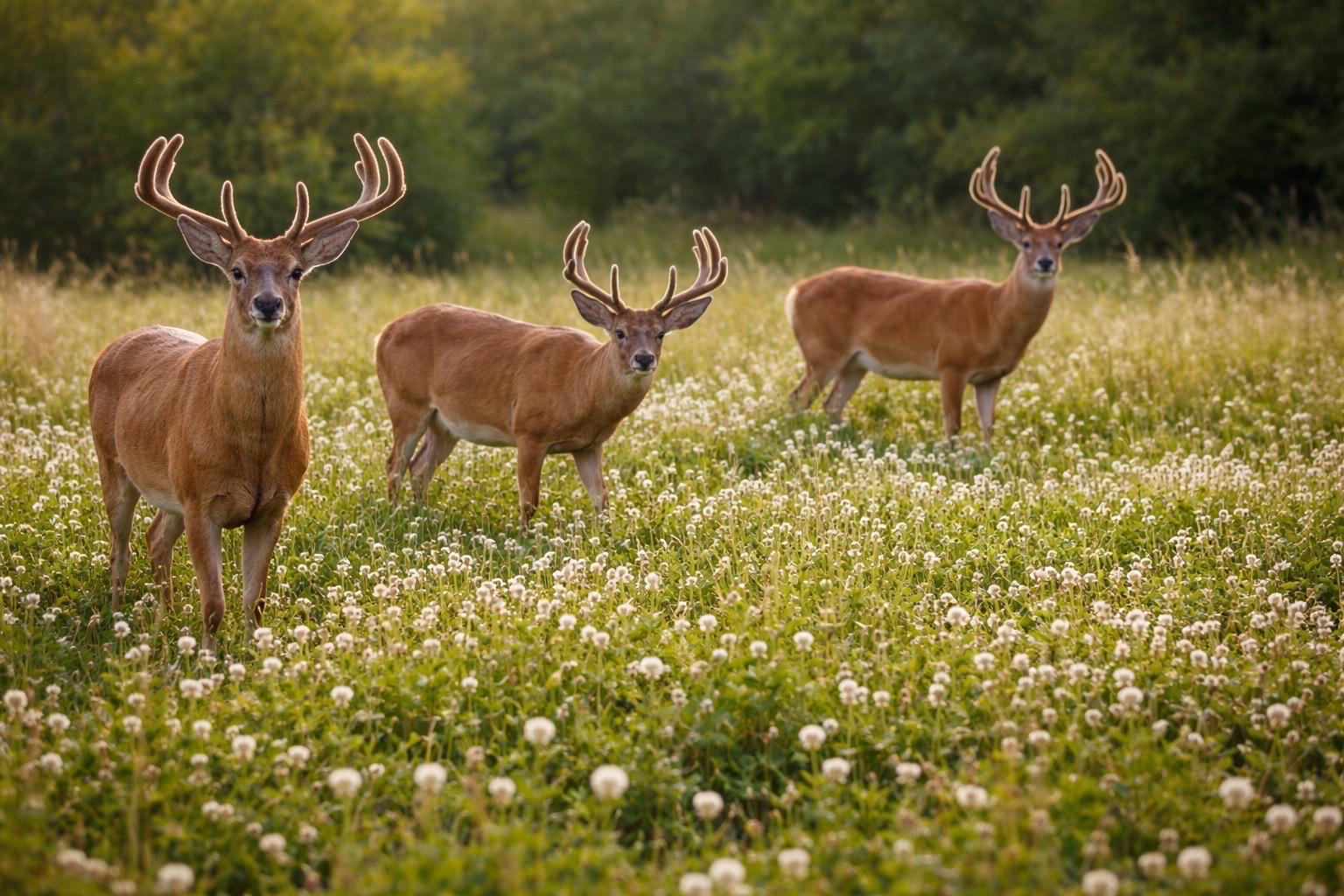
If you’re just getting started with wildlife food plots, this guide covers the fundamentals: choosing the right plot size and location, preparing the soil, selecting seed mixes and managing plots through the seasons. Whether your goal is to attract deer for hunting or provide year‑round nutrition, our logic‑powered planner and the principles below will set you up for success.
Get StartedPlot Size & Distribution
Plot size affects deer usage and forage availability. According to university extension research, deer‑hunting plots are often less than 0.5 acre, while nutrition plots range from 3 to 5 acres. A good rule of thumb is to devote 2–5% of your property to food plots and distribute plots across your land to reduce browsing pressure.
Choosing a Location
Select areas with well‑drained soils, natural travel corridors and sufficient sunlight (minimum 4–6 hours per day). Avoid low, wet spots and heavily shaded forest interiors. Access routes should allow equipment entry without disturbing bedding areas.
Soil Sampling & Amendments
Before planting, collect soil samples and submit them to your local extension office. The results will indicate pH and nutrient levels. Food plot species typically prefer a pH between 6.0 and 7.0. Apply lime and fertilizer according to recommendations to reach this range, and incorporate amendments with light tillage or discing.
Seed Selection
Choose seeds based on your goals, region and soil. Combining warm‑ and cool‑season species ensures year‑round forage availability. Some common options include:
- Clover: a perennial that provides high protein forage and fixes nitrogen.
- Brassicas: turnips, radishes and kale for late‑season energy.
- Legume mixes: cowpeas, soybeans and lablab for summer forage.
- Cereal grains: oats, winter wheat and rye for fall and winter.
Planting & Maintenance
Prepare seedbeds by removing vegetation and loosening soil. Follow seeding rates appropriate for the species and your acreage; over‑seeding can reduce yields. After planting, pack the soil to ensure good seed‑to‑soil contact and water if conditions are dry. Mow or clip perennial plots 1–3 times per year to control weeds and encourage new growth. Fertilize according to soil test recommendations and reapply lime every few years.
Next Steps
The concepts above provide a foundation for successful food plots. To create a detailed plan tailored to your property and objectives, use our interactive planner. It will calculate the ideal plot sizes, seed mixes and planting schedule based on your inputs—and all without complicated AI jargon.
Plan My Plot Back to Home